Tairawhiti Aviation Museum, Gisborne

Location: 7 Aerodrome Road, Elgin, Gisborne 4071
Phone: 0275366505
Website: www.gam.org.nz
Hours: Tuesday & Sunday 9:00am - 3:00pm
Admission: Adults $8, Under 13 $2, Under 5 Free
Airports are usually places people hurry through.
There are bags to check, boarding announcements to misunderstand and that familiar moment when everyone stands up despite the aircraft being nowhere near ready.
At Gisborne Airport, however, there is another reason to slow down.
Tucked into the airport precinct on Aerodrome Road, the Tairāwhiti Aviation Museum preserves a fascinating part of Gisborne’s flying history.
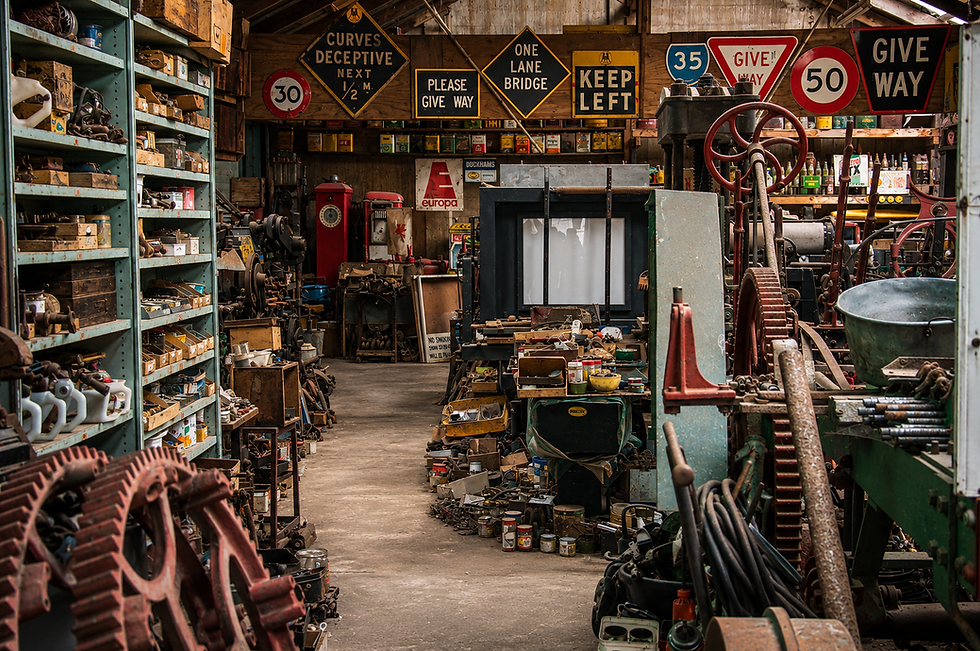
It is filled with vintage aircraft, machinery, photographs, models, artworks and objects connected to the people who helped establish aviation in this remarkably isolated corner of New Zealand.
It is not a vast, polished aviation attraction filled with flight simulators and dramatic cinema screens.
It is something more personal.
This is a museum built from local enthusiasm, rescued aircraft, patient restoration work and the quiet belief that important pieces of Gisborne history should not be left outside to rust.
Gisborne’s History in the Air
Flying has always mattered more to Gisborne than it might to a city surrounded by motorways and neighbouring urban centres.
Road journeys can be long. The landscape is demanding. Weather occasionally develops strong opinions.
Aircraft helped connect Gisborne with the rest of the country while also transforming farming, transport, emergency services and business.
The first recorded aeroplane appearance in the Gisborne sky came in 1920, when a de Havilland DH6 was shipped from Auckland, reassembled locally and flown from the racecourse on 13 May.
By Christmas 1921, an Avro 504K named High Jinks was offering joyrides, completing 31 flights on Christmas Day alone.
Thirty-one flights on Christmas Day suggests Gisborne residents were either extremely enthusiastic about aviation or unusually keen to avoid helping with the dishes.
Gisborne’s first aerodrome, known as Darton Field, became operational in 1930.
The Gisborne Aero Club was established during the same period, and regular air links began connecting the city with Hawke’s Bay.
The airport later played a role in military aviation. During the Second World War, reconnaissance and bomber squadrons operated from Darton Field, including crews flying Vickers Vildebeeste, Vincent and Grumman Avenger aircraft.
The museum helps place these events into a story that feels local rather than distant.
These were not simply aircraft passing through. They were machines flown, maintained and sometimes improvised upon by people working in Gisborne.
The Aircraft That Refused to Disappear
One of the central stories behind the museum involves a Lockheed Lodestar known as ZK-BUV.
The aircraft was acquired by Gisborne-based Fieldair during the development of aerial topdressing. Its greater payload and range helped change how fertiliser could be carried and distributed across difficult rural country. The Lodestar was later installed near the airport entrance as a gate guardian in 1973.
That might have been the end of its useful life.
Fortunately, Gisborne has always contained a certain number of people who look at an ageing aircraft mounted outside and think, “We should probably build a museum around that.”
The Gisborne Aviation Preservation Society was formed in 1995 with the goal of restoring the Lodestar and preserving Gisborne’s aviation heritage.
Fundraising followed, a hangar was built, and the aircraft was moved inside for restoration in 1998.
That society, often known as GAPS, continues to operate the museum through volunteer effort.
The collection also includes an RNZAF Douglas DC-3, along with other vintage aircraft, aviation components, vehicles and machinery.
Even visitors who cannot identify one engine from another can appreciate the physical presence of these machines.
Old aircraft have character.
Their panels, controls and mechanical components come from an era when flying felt less like public transport and more like a carefully negotiated agreement between engineering, weather and human courage.
More Than a Collection of Aeroplanes
The museum is not only about complete aircraft.
Displays include historical photographs, engines, mechanical equipment, aviation memorabilia and information about Gisborne’s early pilots, flying services and agricultural aviation industry.
The airport also notes that the museum provides activities for children.
One particularly distinctive part of the collection features paintings and aviation models created by Gisborne artist Graeme Mudge.
Mudge was known locally for his detailed artwork and strong interest in aircraft. His collection was donated to the museum by his family, adding a more artistic and personal dimension to the surrounding machinery.
This mixture is what makes the museum interesting.
You may begin by looking at a large aircraft and then become distracted by a photograph, a model, an old vehicle or an obscure mechanical component whose purpose is immediately obvious to the volunteer standing beside you and completely mysterious to everyone else.
It rewards curiosity.
The displays reveal not just how aircraft looked, but how aviation became woven into everyday Gisborne life.
When Gisborne Took Farming to the Sky
The growth of aerial topdressing is one of the most important parts of the local aviation story.
Gisborne Aerial Topdressing Company was established in 1949 by Lawson Field. It began with two Tiger Moths and later developed into Fieldair, which became a major presence in New Zealand agricultural aviation.
Aerial topdressing allowed fertiliser to be spread across steep and difficult farmland that could not be reached efficiently by conventional machinery.
Aircraft were adapted, loading systems improved and pilots flew at altitudes that would make many modern passengers reconsider their relationship with gravity.
By 1967, Fieldair’s Gisborne operation included 14 de Havilland Beavers, four Lockheed Lodestars and three Douglas DC-3 aircraft.
The museum gives this history a physical presence.
It becomes easier to understand the scale of that industry when standing close to the aircraft and equipment involved.
These machines were not ornamental. They worked.
They carried heavy loads, operated in demanding conditions and became an important part of the economy and identity of Gisborne.
The Volunteers Make the Difference
Like many of Gisborne’s most interesting smaller attractions, the museum depends on volunteers.
The Gisborne Aviation Preservation Society maintains the collection, develops displays and shares the stories behind the aircraft. The members bring practical knowledge that cannot always be condensed onto a sign beside an exhibit.
Ask a question and you may receive far more than a model number and manufacturing date.
You may hear where an aircraft flew, who worked on it, why it mattered and how somebody managed to move it into a hangar without creating an incident report of historic proportions.
This human element makes the visit feel less formal.
The museum is not simply presenting Gisborne’s aviation history. It is being cared for by people who genuinely want that history remembered.
Who Will Enjoy It?
The obvious answer is aviation enthusiasts.
They will probably recognise aircraft types from the car park and begin using words such as “airframe” before reaching the entrance.
But the museum has wider appeal.
Families can explore the aircraft and machinery together. Older visitors may recognise names, businesses or equipment from Gisborne’s past. Children can see how dramatically flight and mechanical technology have changed.
It also works well for visitors searching for something beyond the standard beach, café and winery itinerary.
The museum is slightly unexpected, deeply local and filled with stories that could only have developed here.
That makes it very Gisborne.
Plan Your Visit
The volunteer team may also open the museum for groups at other times by prior arrangement.
Because it is volunteer-run, visitors should confirm the opening hours before travelling.
Allow enough time to look beyond the largest aircraft.
The smaller photographs, artworks, tools and mechanical objects often contain the details that bring the larger story together.
A Gisborne Story Worth Preserving
The Tairāwhiti Aviation Museum is not simply a building containing old aeroplanes.
It tells the story of how Gisborne connected with the rest of New Zealand, adapted aviation to local conditions and helped develop an agricultural flying industry that became nationally significant.
It also shows what can happen when determined volunteers refuse to let important machinery quietly disappear.
The result is one of Gisborne’s more unusual attractions.
It is thoughtful without being overly formal, educational without feeling like homework and nostalgic without becoming trapped in the past.
Most importantly, it reminds us that Gisborne’s history was not only written on the land.
A considerable part of it happened in the sky.
Why Gisborne’s Three Museums Are Worth Adding to Your Trip
Gisborne has three separate and distinct museums that reveal the practical, inventive and deeply local history that helped the district stay connected and self-reliant through aviation, farming, transport, machinery, art and everyday life.
Visiting the Tairawhiti Aviation Museum, along with:
and
adds real depth to a Gisborne itinerary, with each offering a different experience and a strong sense of place.
Gisborne's three unexpectedly rewarding museum experiences are for travellers who enjoy discovering the stories, objects and personalities that shaped a city.